★★★★★★★
아이디어링 : First Mover. 퍼스트무버의 시대. 원격근무시대. 아이디어 회의 방법론 1편
https://kmong.com/gig/317273
원격근무시대. 아이디어 회의 방법론 1 드립니다. - 크몽
스몰미 전문가의 전자책 서비스를 만나보세요. <p>※서비스 설명</p><p><br></p><p><strong><u>언제까지 회의실에서 ...
kmong.com
이런 접근이 중요한 시기에 도래한 대한민국 사회.
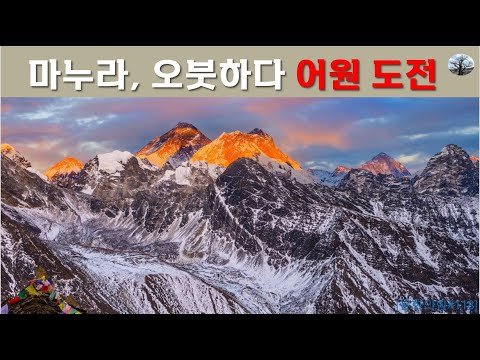
마누라, 오붓하다 어원 도전
https://www.youtube.com/watch?v=RFkKOUqQUTw
📌 '마누라'와 '오붓하다'의 어원은 무엇이며, 현재 사용되는 의미와 어떻게 다른가?
'마누라'는 '만(많다)'과 '을(태양, 신, 얼)'이 합쳐진 말로, 엄청나게 많은 얼을 가진 사람, 즉 무당이나 제사장을 지칭하는 존칭이었으며, '오붓하다'는 오방색의 '오'와 '벗다'가 합쳐져 다섯 가지가 조화롭게 잘 어울러지는 느낌을 의미합니다. 이는 현재의 의미와는 크게 다른, 존경과 조화의 뜻을 담고 있습니다.
이 콘텐츠는 '마누라', '오붓하다'와 같은 일상 단어의 숨겨진 어원을 파헤치며 우리말에 담긴 고대 문화와 세계관을 재조명합니다. '마누라'가 단순한 아내가 아닌 '얼이 많은 사람'을 뜻하는 고귀한 칭호였음을 밝히고, '하나, 둘, 셋'의 숫자 개념이 천지인 삼재(三才)의 우주론적 질서에서 비롯되었음을 설명합니다. 우리말의 소리와 뜻이 절묘하게 연결되어 있음을 깨닫고, 언어 속에 잠재된 고대 여성 우위 사회의 흔적까지 발견하며 언어 학습을 넘어선 깊이 있는 통찰을 얻을 수 있습니다.
1. 일상 단어의 어원 탐구 및 고대 문화 재조명
1.1. '마누라'와 '오붓하다' 어원 탐구의 시작
-
인사 및 주제 소개: 세상들어복 채널에서 2025년 12월 14일 일요일에 문화 이야기를 다루기 위해 '마누라'와 '오붓하다'의 어원에 도전함을 알림.
-
'마누라'에 대한 인식: 현재 사용되는 의미와 달리, '마누라'는 엄청나게 대단한 단어이며 현재의 의감과는 많이 다르다고 판단함.
-
'오붓하다'에 대한 관심: '오붓하다' 역시 느낌이 좋은 단어이며 그 어원에 대한 탐구를 시작함.
-
연구의 성격: 이 연구는 100% 정확함을 주장하기보다는 마중물 차원의 시도이며, 항상 사용하는 말이 사실은 문화유산임을 강조함.
-
연구 계기: 지나가다 본 특정 채널의 사진을 보고 과거에 생각했던 바가 환기되어 '오붓하다' 이야기까지 엮어 이야기해보고자 함.
-
비교 대상: '마누라' 외에도 머시마, 머서마, 가서나, 누이, 아버지, 어머니, 할아버지, 할머니, 삼촌, 아저씨 등 다양한 호칭의 어원 탐구와 연관 지을 수 있음을 언급함.
-
내용 정리 및 진행: 내용을 정리하는 데 시간이 걸렸으나, 관심 있는 시청자는 관련 영상을 참고할 수 있으며, 다른 의견일 경우 그 차이를 통해 독창적인 생각을 가질 수 있다고 언급함.
1.2. '마누라' 어원에 대한 가설: '만드' + '을'
-
'마누라'의 어원 가설: 화자가 생각하는 '마누라'의 어원은 '만드' + '을' 임.
-
'을(乙)'의 의미: '을'은 '민족의 얼' 할 때의 '얼' 이며, '어전' 할 때의 '어'이고, '얼이 새겨진 굴기(얼굴)' 할 때의 '얼'과 같음.
-
'얼'의 근원: '얼'은 '알(R)' 에서 왔으며, '알'은 유라시아 대륙권에서 오래전부터 사용되던 태양, 신, 성스러운 것을 뜻하는 단어임.
-
'발해'의 어원: 우리말 '발해'의 어원도 '발알'에서 왔으며, 이는 '밝은 알' 을 뜻함.
-
'발해'의 변화 과정:
-
'발알'은 '바다'라는 말로 정착되었고, '밝은 해'로 바뀌었음.
-
발해만(渤海)의 '해(海)' 자는 바다를 뜻하지만, '발(渤)' 자는 원래 '밝은 알'에서 출발했기 때문에 하늘의 해를 의미함.
-
고조선의 원류 세력이 발해만을 보고 떠오르는 해를 보았기에 '밝은 아리'로 이름을 지었고, 이것이 향후 '발해'로 바뀜.
-
새로 유입된 집단이 사용하던 단어는 '알'이었으나, 곰을 숭상하던 토착 세력의 입장에서는 그것이 '해'였으며, 두 단어가 경쟁하다가 '해'로 낙착되어 나라 이름이 발해가 됨.
-
중국인이 나중에 '해(海)' 자를 보고 바다를 뜻하는 것으로 인식하여 한자 '바다 해(海)' 자를 억지로 만들어 붙인 것임.
-
-
'을(乙)'의 파생: '을'은 '어른'의 원래 말이며, 어른이 되면 '을'이 들어야 함. '을'은 많이 파생되어 우리말에 안착했으나 '해'의 자리는 차지하지 못함.
-
'어리다'의 의미: '어리다'는 '얼랑'과 같은 표현이며, 을이 센 사람 앞에 가면 그 사람의 '얼' 때문에 '얼게 되는 것'에서 파생됨. 이는 주대가 없어서 쉽게 휩쓸리고 공포를 느낀다는 뜻임.
-
'마누라'의 재해석: 마누라는 '을'이며, '을'은 '알'이 추상화된 형태로, 마음속에 있는 태양과 같음. 알은 하늘에 떠 있는 태양이거나 신임.
-
'만(萬)'의 의미: '만' 자 역시 우리말이며, '많다'는 뜻을 가졌던 단어임 (현재는 100을 의미). '만을'은 '을'이 엄청나게 많은 사람을 뜻함.
-
고대 여성 지위: '마누라'는 개인이 가질 수 없는 여성을 지칭하며, 당시 여성의 지위가 지금보다 훨씬 높았을 것이며, 남자 입장에서는 무당이나 제사장을 지칭하는 다른 말이었을 가능성이 높음.
1.3. '덕만', '만덕', '두만강' 등에서 발견되는 '둘'과 '많음'의 개념
-
등만공주 사례: 선덕여왕의 이름으로 추정되는 '등만공주'를 예로 들며, '만' 자가 중국식 '많다(慢慢的)'가 아닌 순우리말이라고 주장함.
-
'덕(德)'의 어원: '덕'은 '둘(二)' 에서 왔다고 보며, '더불어 산다'의 '더' 역시 '둘'과 같다고 봄. '더하다'는 '불분하다(더해서 분하다)'는 뜻으로, 하나 둘 할 때 '둘'과 같음.
-
'만(萬)'의 의미 재확인: '만' 자는 아주 많다는 뜻이며, '덕이 많다', '더불어 많다'로 해석될 수 있음.
-
'만덕' 사례: 제주 기생 김만덕의 이름 '만덕'을 예로 들며, 이는 '덕이 만개하다', '덕이 아주 많다' 는 뜻으로 해석됨. 옛날에는 여성이 '덕스럽다'는 표현이 가장 좋은 칭찬이었음.
-
'덕'의 추가 해석: '덕'은 하나를 줄 것을 두 개를 주는 넉넉함의 표현이며, '하나 더하기 하나 하면 둘'이 되는 것과 같음. '더불어'의 '덧'자도 이와 어근이 같음.
-
'두만강'과의 연결: '두만강'의 '두만' 역시 '더 많이 두이(더 많이 둘)'와 같으며, '더 많이' 라는 우리말이 들어있음. '두만'을 거꾸로 하면 '만두'가 아닌 '만드기'가 되는데, 이는 각각 다른 뜻을 가졌음을 의미함.
-
'더 많이'의 의미: '더 많이'가 '두이'이며, 이것이 '등만이'가 되고 앞뒤를 바꿔 '만드기'가 된 것으로 해석함. '하나 더 해 둘' 이라는 개념이 '둘'의 어원임.
-
'더하다'의 어원: '둘이 더불어 더하면 더해진다(분다)'에서 '더하다'의 '더'가 왔음을 알 수 있음. '더하기'의 '더'와 '하나 둘'의 '둘'은 같음.
-
'둘'의 파생: '두껍다'의 '두' 역시 '두 겹'이라는 뜻으로 같은 어원에서 나옴.
1.4. 숫자 개념의 우주론적 질서: 하나, 둘, 셋, 오
-
'하나'의 의미: 하늘을 뜻하며, 크고 모든 것임.
-
우리나라 숫자 개념의 독보성: 우리나라 숫자에는 아라비아 숫자처럼 단순한 산술적 개념 외에 숫자의 의미가 담겨 있으며, 이는 독보적임. 한국말을 자꾸 읊으면 생각이 변하고 사람이 변하는데, 이는 우리말이 주문과 같아서 모든 것이 연결되어 있기 때문임.
-
'셋'의 어원과 중요성: '셋'은 '섰다' 에서 왔으며, 이는 인간이 솟은 것을 의미함. 하늘(하나)이 있고, 음양으로 갈라져 둘이 된 후, 인간이 등장하여 셋이 됨.
-
삼위일체의 원조: 하늘의 힘이 음양으로 구성되고 그 조화로 셋이 되었기 때문에, 삼위일체와 같은 표현이 전 세계에 퍼진 것의 원조는 우리라고 주장함. 한국인들이 3자를 좋아하는 이유임.
-
'섰다'의 중요성: 과거 산을 셀 때 봉우리를 셀 때 '섰다'는 표현이 중요했으며, 여섯, 일곱 개부터는 산맥이 되어 세지 않고 '많다'고 함.
-
'소호', '소대'와의 연결: 고구려와 백제 건국에 큰 역할을 한 여성 이름 소호(소선아이다) 는 '여러 가지를 완성시킨다'는 의미가 있으며, 이는 삼위일체(해, 달, 인간)의 완성의 의미와 같음. 소대는 하늘과의 전령이며, 인간이 할 수 있는 것의 끝을 의미함.
-
'새'의 의미: 새는 새롭다는 뜻이며, 하늘을 보고 흐름을 알아야 새로워지고 땅만 보면 굳어진다고 설명함.
1.5. '암록강'과 '오방색'에 담긴 '빛'과 '완성'의 개념
-
'암록강'의 어원: 암록강은 '알락' 이며, 중앙아시아의 '알락사데'와 관련 있음. '알락'은 태양 또는 신이 락(빛)을 쭉 내보낸다는 뜻임.
-
'랑(郎)'의 의미: '누구누구 랑'이나 '아리랑'의 '랑'은 존경의 표현이 들어 있으며, 본질과 함께 한다는 의미임. '아리랑'의 한자 표기인 '알락'은 '편안한 안(安)'과 '절골 락(樂)' 자를 쓴 것임.
-
'빛'의 단위: 기독교의 '록나'의 '록'이나 빛의 조도 단위인 '룩스(Lux)' 도 여기서 나왔으며, 럭셔리(Luxury)도 같은 단어에서 유래함.
-
'오(五)'의 의미: 티베트나 부탄 사진에서 보이는 오방색처럼, '오'는 전체를 포괄한다는 의미를 가짐. '오색 약수터', '오미자(다섯 가지 맛)', '오감' 등에서 '오'는 완성을 의미함.
-
'오감'과 '육감': 물리적인 것은 오감으로 충분하며, 육감은 오감이 만들어낸 영감이나 직관임. 수천 년간 '오'를 적용하며 설득력을 얻었기 때문에 이 말이 살아남았다고 봄.
-
'5일장'의 의미: 5일마다 반복되는 인간의 리듬이 5일에 맞춰져 있다는 뜻이며, 다섯 가지가 짱(최고) 이라는 의미임.
-
숫자 체계의 우주론적 해석:
-
하나: 하늘, 우주, 태초의 우주 (태극의 태 자일 수도 있음).
-
둘: 하나가 갈라져 음양이 만들어진 것. 음양은 가치가 동일하므로 '하나 더하기 하나'로 표현됨.
-
셋: 음양이 서로 작용하여 인간이 솟아난 것 (선돌, 일어선 돌).
-
넷: 애매한 단계.
-
다섯: 하나의 부족(완성). 4자가 재수가 없다고 여겨지는 이유이며, 다섯이 되면 완성이고 그 이후 숫자는 다섯의 조합임.
-
-
세상의 작동 방식: 세상을 작동하는 모든 방식은 다섯 가지이며 (오행, 주요 행성 5개 등), 사주명리학은 이 다섯 가지 기운을 세분화한 것임.
-
'오붓하다'의 어원: '오붓하다'는 '오(五)' 자에서 왔으며, 오방색의 오자, 즉 모든 것을 관장하는 다섯이 싸우지 않고 서로 벗고 있다는 뜻의 '오벗(五友)' 에서 유래함. 다섯 가지가 조화롭게 어울러지는 느낌이 '오붓한' 느낌임.
2. 산의 신령과 고대 여성 우위 사회의 흔적
2.1. 감악산과 지리산의 산신령: 여성 신의 흔적
-
감악산 탐방: 최근 감악산에 올라가 보니, 감악산은 신묘한 산이며 '까만산'이 아닌 '감만산(신령스러운 산)' 이라는 설명이 적혀 있었음. 정상부가 평평하여 제단으로 쓰기 좋았을 것으로 추정함.
-
전망대와 지리산 조망: 감악산 둘레길 전망대(지산, 대규산, 가산 전망대)에서 직선거리 40km 떨어진 지리산의 지리산 천왕봉이 보였음.
-
지리산의 산신령: 지리산의 산실령은 마구(마고) 이며, 마구에게 제사 지내던 곳이 노고단임 ('노고'는 늙은 여성을 뜻하고 '단'은 제단).
-
천왕봉과 노고단의 관계: 옛 사람들은 지리산 제일 높은 곳이 천왕봉임을 알았지만, 제사는 제단을 쌓기 좋은 터인 노고단에서 지냈음.
-
홍산문명과의 연결: 홍산문명(6천~7천 년 전)에서 발견된 옥으로 만든 물건들 중 곰의 흔적과 함께 여신상이 발견되었는데, 이는 웅녀(곰)와 외부에서 온 세력(마고 신)이 만난 것으로 해석됨.
-
가야산의 산실령: 가야산(원래 이름은 우뚝산/우두산)의 산실령 역시 여자(정견모주) 임. 가야산은 대가야 세력이 진산으로 삼으면서 이름이 바뀐 것임.
-
여성 신의 보편성: 지리산(노고단), 가야산(정견모주), 홍산문명의 신도 여자이며, 이는 한반도 남쪽까지 중국 만주 지역의 일이 그대로 적용됨을 보여줌.
2.2. 카라한국과 가야의 연결 및 고대 사회의 여성 우위
-
카라한(Qarakhanid) 왕조: 트루크 제국에서 나왔으며, 이들은 스키타이와도 관련이 있을 수 있고, 당나라 세력에 밀려 중동(아나톨리아)에 자리 잡으며 이슬람으로 개종함.
-
'카라(Kara)'의 의미: '카라'는 금(金)을 뜻하는 색깔이며, 우리말로 하면 '현묘하다' 할 때의 '금'임. 카라해(흑해)도 동양 사람들이 이름을 지은 것임.
-
가야(伽倻)와의 연결: 가야는 한자로 표기된 것이 원래 카라(가라) 였을 가능성이 높으며, 검은색과 신령스러운 색깔을 의미함. 역사학자들이 이에 도전하지 않고 외면하고 있다고 지적함.
-
산을 보는 고대인의 시각: 우리 조상들은 산을 볼 때 높은 산만 본 것이 아니라 위치와 느낌, 제사 지내기 좋은 곳을 함께 고려했음.
-
더유산과 남덕규산 비교:
-
더유산(1600m대)은 직선거리 32km 떨어져 있으며, 세 국립공원(지리산, 더유산, 가야산)의 정중앙에 감악산이 위치함.
-
더유산 정상(향로봉)은 외로워 보이지만, 남덕규산은 높이가 100m 낮음에도 불구하고 주위의 호위를 받는 왕자 같은 느낌을 줌.
-
고대인들은 남덕규산을 훨씬 더 높이 쳤을 것이며, 천왕봉은 제사 지내기 어려워 노고단이 핵심 지역이 되었음.
-
-
할미봉의 의미: 남덕규산 근처에 있는 할미봉은 지리산의 노고단과 같은 역할을 하는 곳으로, 위대한 여성에 대한 전설이 남아 있음.
-
여성 신의 시대: 지리산, 가야산, 더유산의 산실령이 모두 여자이며, 이는 여성 우위 시대였음을 보여줌. 수메르인이나 홍산문명의 신도 여성이었음. 기독교(예수 탄생 시점)는 남성 우위 사회가 정착된 후임.
2.3. '신랑 각시'와 고대 모계 사회의 유산
-
'신랑 각시'의 의미: 요즘은 '신랑 신부'를 쓰지만 옛날에는 '신랑 각시' 였음. '각시'는 신부, 젊은 여자를 뜻함.
-
'생각시'와 '색시': '생각시'는 '생각'과 '각시'가 합쳐진 것으로, '생각 섹시' 가 된 것으로 보며, 영어의 'sexy'와 관련성이 있다고 봄.
-
'각시'의 고대 의미: '각시'는 알타이 쪽에 무당(제사장) 을 뜻하는 표현으로 남아 있으며, 꼭두각시는 꼭대기에 올라가 있는 여자임.
-
모계 사회의 증거: 각시가 무당이자 제사장이었다는 것은 옛날에 모계 사회였음을 의미함. 모계 사회에서는 여자가 있고 남자들이 거쳐가며 씨만 죽고 가는 구조였음.
-
단군과 수명: 환단고기에서 언급되는 단군 시대의 수명 200년설은 조선 시대 식으로 생각하면 말이 안 되며, 이는 남자에서 남자로 이어지는 것이 아니었기 때문이라고 추정함.
-
고조선 초기 제사장: 고조선 초창기에는 여성의 지위가 막강했고 제사장은 여자였을 가능성이 높으며, 능력 있는 여자에게 권력이 물려졌을 것이라고 봄. '단군'은 한 어머니 밑에서 여러 대가 이어지며 수장이 배출된 파벌을 불렀을 가능성이 있음.
-
'신랑'의 의미: '신랑'의 '신(新)' 자는 새롭다는 뜻이고, '랑'은 짝이라는 뜻임. 신랑 각시였던 시절, '신랑'은 '새로운 남자' 를 의미했으며, 이는 엄마에게 새 남자가 생기는 사회적 현상이었음.
-
화랑과 여왕: '화랑'이 그 흔적이며, 여왕이 있다는 것 자체가 보수적(모계 사회 전통을 유지)이라는 뜻으로, 신라는 태초적인 원초적인 부분을 가지고 있었다고 봄. 신랑(새로운 남자)은 계속 바뀌고 기존의 것은 고정되어 있었음.
📌 What are the etymologies of "manura" and "obuthada," and how do they differ from their current meanings?
"Manura" is a combination of "man" (man, many) and "eul" (taeyang, god, soul). It was an honorific title referring to a person with an enormous soul, such as a shaman or priest. "Obuthada" combines the "o" (o) of the five cardinal colors and "beotda" (to remove), implying a sense of harmony among the five elements. This carries a sense of respect and harmony, significantly different from its current meaning.
Table of Contents
1. Exploring the Etymology of Everyday Words and Re-examining Ancient Culture
1.1. Beginning the Exploration of the Etymology of "manura" and "obuthada"
1.2. Hypothesis on the Etymology of "manura": "mandeu" (mandeu) + "eul" (eul, meaning "mandeu")
1.3. The Concepts of "dul" (two, two, many, many) and "mangeum" (many, many, many) found in "deokman" (deokman, mandeok, duman river), "mandeok" (mandeok, duman river), and other words
1.4. The Cosmological Order of Numerical Concepts: One, Two, Three, Five
1.5. The Concepts of "Light" and "Completion" in "Amrokgang" and the "Obangsaek" (Five Colors)
2. Mountain Spirits and Traces of Ancient Feminine Societies
2.1. Mountain Spirits of Gamaksan and Jirisan: Traces of Female Deities
2.2. The Connection between Karahan and Gaya and the Dominance of Women in Ancient Society
2.3. "Groom Gaksi" and the Legacy of Ancient Matriarchal Societies
This content delves into the hidden etymologies of everyday words like "manura" (wife) and "okoohada" (cozy), shedding new light on the ancient culture and worldview embedded in the Korean language. It reveals that "manura" was not simply a wife, but a noble title meaning "a person of great spirit." It also explains that the numerical concepts of "one, two, three" originate from the cosmological order of the three elements of heaven, earth, and man (Samjae). You will discover the exquisite connection between sounds and meanings in Korean and even discover traces of an ancient female-dominated society hidden within the language, gaining profound insights that go beyond language learning.
1. Exploring the Etymology of Everyday Words and Re-examining Ancient Culture
1.1. Beginning the Etymological Exploration of 'Manura' and 'Obuhada'
Greetings and Topic Introduction: We announce that the Sesangdeulbok Channel will tackle the etymology of 'Manura' and 'Obuhada' for a cultural discussion on Sunday, December 14, 2025.
Perception of 'Manura': Contrary to its current usage, 'Manura' is a remarkably powerful word, and its current connotation is quite different.
Interest in 'Obuhada': 'Obuhada' is also a pleasant word, and we are beginning to explore its etymology.
Nature of the Research: This research does not claim 100% accuracy, but rather serves as a preliminary attempt, emphasizing that words we use frequently are in fact cultural heritage.
Research Motivation: Seeing a photo on a particular channel in passing triggered a past thought, and I wanted to explore the concept of "cozy" by weaving it into the story.
Comparison: In addition to "manura," the speaker mentioned that it could be related to the etymology of various titles, including "meosima," "meoseoma," "gaesona," "nooi," "father," "mother," "grandfather," "grandmother," "uncle," and "ajuschi."
Content Organization and Progress: While organizing the content took time, interested viewers can refer to related videos, and if there are differing opinions, the speaker noted that the differences can lead to original ideas.
1.2. Hypothesis on the Etymology of "manura": "mandeu" (mandeu) + "eul" (eul)
Hypothesis on the Etymology of "manura": The speaker believes the etymology of "manura" is "mandeu" (mandeu) + "eul" (eul).
Meaning of 'eul (乙)': 'eul' is the same as 'eul' in 'ethnic soul,' 'eo' in 'ejeon,' and 'eul' in 'gulgi (face with a soul carved in it).'
Origin of 'eul': 'eul' comes from 'al (R),' a word long used in Eurasian continental regions to mean the sun, god, or sacred thing.
Etymology of 'Balhae': The Korean word 'Balhae' also derives from 'balal,' meaning 'bright egg.'
The evolution of 'Balhae':
'Balal' became established as the word for 'sea,' and later became 'bright sun.'
The character 'hae' (海) in 'Balhae Bay' (渤海) means sea, but the character 'bal' (渤) originally originated from 'bright egg,' meaning the sun in the sky.
The originators of Gojoseon saw the rising sun over Balhae Bay, so they named it "Bright Ari," which later became "Balhae."
The new arrivals used the word "al" (egg), but the indigenous people, who revered bears, believed it was "hae." The two words competed, and the final word, "hae," became the name of the country.
The Chinese later recognized the character "hae" (海) as meaning "sea," and forcibly created the Chinese character "hae" (海), meaning "sea."
Derivation of "eul" (乙): "eul" (eul) is the original form of "adult," meaning "adult." Adults are expected to hear "eul." While "eul" has been derived numerous times and has become a permanent part of the Korean language, it has never taken the place of "hae."
Meaning of "어리다" (Eorida): "어리다" is similar to "어랑" (Eolrang), and derives from the idea of being "frozen" in the presence of a strong person due to that person's "얼" (eul). This implies being easily swayed and fearful due to a lack of a main character.
Reinterpretation of "마누라" (Woman): "Woman" is "을," which is an abstract form of "알" (Al), like the sun within the mind. Al represents the sun or a deity in the sky.
Meaning of "만(萬)": The character "만" (Man) is also a Korean word meaning "many" (man), and it once meant "many" (many, 100). "만" (many, 100) refers to a person with a great number of "을" (eul).
Status of women in ancient times: "Manura" (Woman) refers to a woman whom an individual could not possess. The status of women at that time was likely much higher than it is today. From a man's perspective, it likely referred to a shaman or priestess.
1.3. The concepts of "two" (dul) and "many" (plentiful) found in "Deokman," "Mandeok," and "Dumangang" (Duman River)
The case of Princess Deungman: Citing "Princess Deungman," presumed to be Queen Seondeok's name, the author asserts that the character "man" (man) is a pure Korean word, not the Chinese word for "many" (慢慢的).
The etymology of "deok" (德): "Deok" is believed to come from "two" (二), and the "deo" (deo) in "together" (deo-ri-sa-da) is also considered to be the same as "two." "Deohada" (deo-ha-da) means "unbun-ha-da (infuriating by adding)," and is equivalent to "two" (dul) when counted as one or two.
The meaning of "man" (萬) is reaffirmed: The character "man" (man) means "very many" and can be interpreted as "many virtues" or "many together."
The case of "Mandeok": Using the name "Mandeok" of Jeju gisaeng Kim Mandeok as an example, it is interpreted as meaning "virtue in full bloom" or "very virtuous." In the past, the highest compliment a woman received was to be called "virtuous."
Additional interpretation of "Deok": "Deok" expresses generosity, giving two instead of one, similar to "one plus one equals two." The character "deot" in "deobeo" (together) also shares this root.
Connection with "Dumangang": The "duman" in "Dumangang" also corresponds to "more dui" (more two), containing the Korean word for "more." Reversing "duman" results in "mandeugi" (mandu), not "mandu," implying a different meaning.
Meaning of "more": "More" is "dui," which becomes "deungmani" (deungmani), which then becomes "mandeugi" (mandeugi), reversing the order to form "mandeugi." The concept of "one more, two" is the origin of the word "two."
The origin of "add": The "deo" in "add" comes from the phrase "two add together (bunda)" (meaning "to add"). The "deo" in "add" and the "dul" in "one, two" are the same.
The derivation of "two": The "du" in "thick" also means "two layers," and comes from the same root.
1.4. The Cosmological Order of the Number Concept: One, two, three, five
The Meaning of "one": It signifies the sky, and represents greatness and everything.
The Uniqueness of the Korean Number Concept: Korean numbers, unlike Arabic numerals, contain numerical meanings beyond simple arithmetic concepts, making them unique. Repeatedly reciting Korean changes one's thoughts and transforms oneself. This is because the Korean language is like a spell, with everything connected.
The origin and significance of "seot" (three): "seot" (three) comes from "seot" (standing), signifying the rise of humanity. There was one sky, divided into yin and yang, and then two. Then, humans emerged and became three.
The origin of the Trinity: Because the power of heaven was composed of yin and yang and their harmony formed three, it is claimed that we are the originators of expressions like the Trinity, which have spread throughout the world. This explains why Koreans favor the number three.
The significance of "seot" (standing): In the past, when counting mountains, the expression "seot" (standing) was important when counting peaks. Beyond six or seven, a mountain range was considered uncounted and the word "many" was used instead.
Connection with "Soho" and "Sodae": The name Soho (Soseon-aida), a woman who played a significant role in the founding of Goguryeo and Baekje, means "to complete many things," which is similar to the meaning of the completion of the Trinity (sun, moon, and humanity). The small group is a messenger from heaven and represents the limit of what humans can achieve.
Meaning of "Sae" (새): "Sae" means "new," and it's explained that by observing the sky and understanding its flow, one becomes renewed, while by observing the ground alone, one becomes solid.
1.5. The Concepts of "Light" and "Completion" Contained in "Amrokgang" and the "Obangsaek" (Five Colors)
Etymology of "Amrokgang": "Amrokgang" is "alak," related to the Central Asian "Alaksade." "Alak" means the sun or god radiating light.
Meaning of "Rang (郎)": The "rang" in "Nugunugun Lang" and "Arirang" expresses respect and signifies being with the essence. The Chinese character "alak" (알락) in "Arirang" is composed of the characters for "comfortable (安)" and "fine (樂)".
The unit of "light": The "rok" in the Christian "lokna" and the unit of illuminance, "lux," also derive from this word. The word "luxury" also derives from the same word.
The meaning of "o (五)": Like the five cardinal colors seen in Tibetan and Bhutanese photographs, "o" signifies inclusion. In "five-colored springs," "omija (five flavors)," and "five senses," "o" signifies completion.
"five senses" and "six senses": Physical things are sufficient for the five senses, and the sixth sense is the inspiration or intuition generated by the five senses. This saying has survived because it has gained credibility through the application of "o" for thousands of years.
The meaning of the "five-day market": It signifies that the human rhythm, which repeats every five days, is aligned with the five days, and that five is the best.
The cosmological significance of the number system Interpretation:
One: Heaven, universe, the primordial universe (possibly the Taegeuk Taeja).
Two: The division of one to create yin and yang. Since yin and yang are equal in value, they are expressed as "one plus one."
Three: The interaction of yin and yang to create humanity (a standing stone, a standing stone).
Four: An ambiguous stage.
Five: A lack of one (completion). This is why the number four is considered unlucky; five represents completion, and all subsequent numbers are combinations of five.
How the world works: There are five ways the world operates (the five elements, the five major planets, etc.), and the four pillars of destiny are subdivided into these five energies.
Etymology of "Obuthada": "Obuthada" comes from the character "o (五)" and is derived from "obeot (五友)", meaning the five characters of the five cardinal colors, or "five friends," which represent the five elements that govern everything, not fighting but being free from each other. The harmonious blending of five elements creates a sense of "cozy."
2. Mountain Spirits and Traces of Ancient Female-Dominant Societies
2.1. Mountain Spirits of Gamaksan and Jirisan: Traces of Female Deities
Exploring Gamaksan: Recently, I climbed Gamaksan and found a description that described it as a mystical mountain, not as "Black Mountain" but as "Gammansan (Sacred Mountain)." The flat summit is believed to have been ideal for a ritual altar.
Observation Deck and View of Jirisan: From the observatories along the Gamaksan Trail (Jisan, Daegyusan, and Gasan observatories), I could see Jirisan's Cheonwangbong Peak, a 40km straight line.
Mountain Spirits of Jirisan: The Sansilryeong of Jirisan is Magu (Mago), and the place where rituals were performed for Magu was Nogodan (Nogo means old woman, and Dan means altar).
The Relationship Between Cheonwangbong Peak and Nogodan: While ancient people recognized Cheonwangbong Peak as the highest point on Jirisan Mountain, ancestral rites were held at Nogodan, a suitable site for building an altar.
Connection with the Hongsan Civilization: Among jade artifacts discovered from the Hongsan Civilization (6,000-7,000 years ago), a goddess statue was found with traces of a bear. This is interpreted as an encounter between Ungnyeo (bear) and an external force (Mago).
Sansillyeong of Gayasan: Sansillyeong of Gayasan (originally named Utuksan/Udusan) also refers to a woman (Jeonggyeonmoju). Gayasan was renamed when the Daegaya forces designated it as their guardian mountain.
The Universality of Female Deities: The deities of Jirisan (Nogodan), Gayasan (Jeonggyeonmoju), and the Hongsan Civilization are all female, demonstrating that the practices of the Chinese Manchurian region extended to the southern Korean Peninsula.
2.2. The Connection between Karahan and Gaya and the Dominance of Women in Ancient Society
Qarakhanid Dynasty: Originating from the Turkic Empire, they may have had ties to the Scythians. Forced by the Tang Dynasty, they settled in the Middle East (Anatolia) and converted to Islam.
Meaning of "Kara": "Kara" means gold, and in Korean, it is the same as "gold" in the sense of "mysterious." The Kara Sea (Black Sea) was also named by Easterners.
Connection with Gaya: The original Chinese character for "Gaya" is likely "Kara" (Gara), meaning black and sacred. Historians have pointed out that this has been ignored without challenging this.
Ancient Perspectives on Mountains: When our ancestors viewed mountains, they not only considered their height, but also considered their location, feel, and suitable locations for ancestral rites.
Comparison of Mt. Daeyusan and Mt. Namdeokgyusan:
Mt. Daeyusan (1,600m) is 32km away in a straight line, and Mt. Gamaksan is located at the exact center of three national parks (Jirisan, Mt. Daeyusan, and Mt. Gayasan).
Mt. Daeyusan's summit (Hyangnobong Peak) appears lonely, but Mt. Namdeokgyusan, despite being 100m lower, exudes the feeling of a prince surrounded by a royal guard.
Ancient people likely considered Mt. Namdeokgyusan much higher, and because Cheonwangbong Peak was difficult to hold ancestral rites on, Nogodan became the central location.
Meaning of Halmibong Peak: Halmibong Peak, located near Mt. Namdeokgyusan, serves a similar function to Mt. Jirisan's Nogodan, and legends of great women remain.
The Age of Female Deities: The Sansilryeong of Mt. Jirisan, Mt. Gayasan, and Mt. Daeyusan are all female, indicating a female-dominated era. The Sumerians and the Hongsan civilization also included female believers. Christianity (at the time of Jesus' birth) followed the establishment of a male-dominated society.
2.3. 'Groom Gaksi' and the Legacy of Ancient Matriarchal Society
Meaning of 'Groom Gaksi': Nowadays, 'Groom Bride' is used, but in ancient times, it was called 'Groom Gaksi'. 'Gaksi' refers to a bride, a young woman.
'Saenggaksi' and 'Saengsi': 'Saenggaksi' is a combination of 'Saenggak' (thought) and 'Gaksi' (thought), which is believed to have resulted in 'Saenggak sexy' (thought sexy), and is thought to be related to the English word 'sexy'.
Ancient Meaning of 'Gaksi': 'Gaksi' remains as a term for a shaman (priest) in the Altai region, and a puppet is a woman at the top.
Evidence of a Matriarchal Society: The fact that Gaksi was both a shaman and a priestess suggests a matriarchal society in ancient times. In a matriarchal society, women were present, and men passed through the family, with only the descendants dying.
Dangun and Lifespan: The 200-year lifespan theory of Dangun's era, mentioned in the Hwandan Gogi, makes no sense from a Joseon perspective, as it is assumed that the lineage was not passed down from man to man.
Early Priests of Gojoseon: In the early days of Gojoseon, women held significant power, and priests were likely women. Power was likely passed down to capable women. The term "Dangun" likely referred to a faction whose leaders were descended from a single mother for multiple generations.
The Meaning of "Shinrang": The character "shin" (新) in "shinrang" means "new," and "rang" (랑) means "mate." In the days when the groom was a bride, "shinrang" meant "new man," a social phenomenon where a mother had a new husband.
Hwarang and the Queen: The "Hwarang" is a vestige of this, and the very existence of a queen signifies a conservative society (maintaining matriarchal traditions). Silla is considered to have retained its primal and original elements. The groom (new man) kept changing and the old one remained fixed.
'공부하기 > ★KOREA language' 카테고리의 다른 글
| 우리 역사학계 안녕하신가? '안녕' 어원 도전해 보기 (0) | 2025.12.23 |
|---|---|
| 한글은 쉬운데....한국어는 어렵다. ^&^ (0) | 2025.11.25 |
| Why First Generation Foreign Translators Were Shocked by KoreanㅣTranslating the World (0) | 2024.12.01 |
| 올바른 공문서 작성법 : 원인이 된, 연도에 따라...등 (0) | 2023.12.08 |
| 중국 화장품 제조업자의 한글 오용사례.ㅋㅋㅋㅋㅋ (0) | 2023.10.10 |


댓글