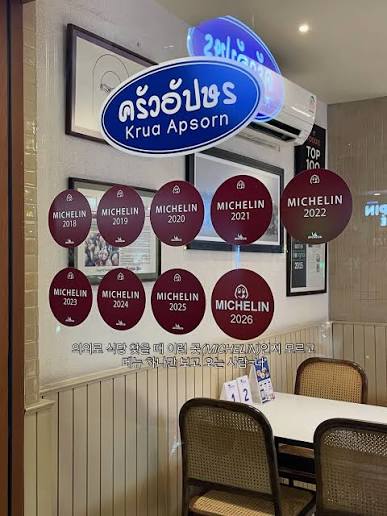
나는 미슐랭을 믿지 않는다.
방콕에서 미슐랭 별 잔뜩 붙어 있는 식당에서 먹어봤는데.... 맛도 별로, 양도 별로.... 뭐 어쩌자는 건지?
그냥 춤폰 방사판 해변가에 간이음식점에서 만든 볶음밥과 국수가 훨씬 맛있더라. 재료도 좋고... 풍성하고 맛있고...그게 최고지...
미슐랭 스티커가 뭐 별건가???
빅블로거? 아니면.... 때를 잘만난 운좋은 마케팅 놀이?
ฉันไม่เชื่อใจคู่มือมิชลินหรอก
ฉันลองไปกินอาหารที่ร้านอาหารในกรุงเทพฯ ที่มีดาวมิชลินติดเต็มไปหมด... แต่รสชาติธรรมดามาก และปริมาณก็น้อย... พวกเขาพยายามจะทำอะไรกันแน่?
ข้าวผัดและก๋วยเตี๋ยวที่ร้านอาหารริมทางริมหาดบางสะพาน จังหวัดชุมพร อร่อยกว่าเยอะ วัตถุดิบดี... อิ่มอร่อย... นั่นแหละดีที่สุด...
สติกเกอร์มิชลินมันสำคัญขนาดนั้นเลยเหรอ???
เป็นเพราะบล็อกเกอร์ชื่อดัง? หรือ... แค่กลยุทธ์การตลาดที่โชคดีและถูกจังหวะ?

([레전드 셰프 김소희가 미슐랭을 역겨워하는 이유])에서 김소희 셰프가 밝힌 미슐랭에 대한 비판과, 대중음악계의 그래미 어워드(Grammy Awards)가 비판받는 이유, 그리고 이 두 시스템이 공유하는 본질적인 불합리성과 구조적 모순(공통 알고리즘)을 분석하여 정리해 드립니다.
1. 영상에서 김소희 셰프가 말하는 미슐랭이 역겨운(기분 나쁜) 이유
영상 속 김소희 셰프는 미슐랭 가이드의 평가 방식과 그 시스템이 창작자(요리사)들을 대하는 태도에 대해 강력한 불쾌감을 표합니다 [00:00].
- 단 한 번의 방문과 비평가의 권력 오남용:
- 진짜 손님에 대한 소홀함(주객전도):
- 미슐랭 암행 평가원(4월경 혼자 예약하는 고객 등)이 오면, 주방 전체가 그 한 사람의 눈치를 보느라 정작 식당을 찾아온 다른 일반 손님들에게 최고 수준의 정성과 음식을 제공하지 못하고 뒷전으로 미루게 됩니다 [00:28].
- 창작자의 피와 땀을 착취하는 상업성:
2. 그래미 어워드(Grammy Awards)가 역겨운(비판받는) 이유
음악계의 미슐랭이라 불리는 그래미 어워드 역시 수많은 아티스트(위켄드, 카니예 웨스트, 드레이크, 자인 말릭 등)로부터 boycott과 비판을 받아왔으며, 그 비판의 핵심은 다음과 같습니다.
- 폐쇄적이고 불투명한 평가위원회 (Secret Committees):
- 일반 대중이나 대중음악적 성과, 스트리밍 성적과는 무관하게, 베일에싸인 심사위원단(투표인단)의 보수적이고 주관적인 취향에 의해 수상자가 결정됩니다.
- 보수성과 인종/장르 차별 (인종주의적 장벽):
- 힙합, R&B, K-POP, 레게톤 등 글로벌 문화적 파급력이 큰 장르나 흑인/비백인 아티스트의 음악을 대형 본상(올해의 앨범 등)에서 배제하고 특정 흑인 전용 카테고리에 격리한다는 비판이 지속되어 왔습니다.
- 아티스트의 상업적 이용 및 권위주의:
- 시상식의 시청률과 화제성을 위해 인기 아티스트들의 공연과 참석을 유도하지만, 정작 본상 시상에서는 외면하는 등 '아티스트의 피·땀·스타성'을 상업적 쇼의 재료로 소비한다는 비판을 받습니다.
3. 미슐랭과 그래미, 두 권력 시스템의 공통된 '역겨움의 알고리즘'
미슐랭과 그래미가 공통적으로 비판받는 메커니즘은 "현장 창작자의 노동을 담보로 정통성을 자처하며 부당한 권력을 행사하는 지배 구조"에 있습니다.
[창작자/현장의 피와 땀] ──> [비공개/폐쇄적 평가 집단] ──> [권위와 브랜드 창출] ──> [창작자 통제 및 상업적 이득]
① '평가권의 독점'을 통한 권력 형성 (비공정성)
- 공통점: 둘 다 밀실/비공개 시스템(익명의 미슐랭 평가원, 베일에 싸인 그래미 심사위원)을 사용합니다.
- 알고리즘: 창작 과정의 고통이나 매일의 꾸준함, 대중과의 진정한 소통 대신 '평가자의 자의적 기준'을 최상위 가치로 올려놓아 창작자들이 자신들의 눈치를 보게 만듭니다.
② 주객전도와 예술/노동의 본질 훼손
- 공통점: 미슐랭 때문에 '진짜 손님'보다 '평가원 한 명'에 목을 매고 [00:28], 그래미 때문에 '대중과의 소통'보다 '심사위원단 취향 맞추기'에 급급해집니다.
- 알고리즘: 본래 대중이나 손님에게 행복을 주어야 하는 예술/요리의 본질적 목적을 오염시키고, 오직 권위 기관의 등급을 따기 위한 '스펙 싸움'으로 변질시킵니다.
③ 창작자의 노동을 이용한 '재재화(Monetization)' 및 착취
- 공통점: 김소희 셰프의 말처럼 미슐랭은 셰프들의 피땀으로 책과 브랜드 가치를 팔고 [00:43], 그래미는 뮤지션들의 음악과 스타성으로 중계권료와 광고 수익을 올립니다.
- 알고리즘: 정작 리스크와 노동을 부담하는 건 현장의 셰프와 아티스트이지만, 그 모든 노력을 자신들의 권위를 높이고 돈을 버는 마케팅 도구로 환원해 버리는 구조적 모순을 지니고 있습니다.
ในวิดีโอนี้ ([ทำไมเชฟระดับตำนาน คิม โซ-ฮี ถึงคิดว่าคู่มือมิชลินน่ารังเกียจ]) เราจะวิเคราะห์และสรุปคำวิจารณ์เกี่ยวกับคู่มือมิชลินที่เปิดเผยโดยเชฟคิม โซ-ฮี เหตุผลที่รางวัลแกรมมี่ในวงการเพลงยอดนิยมถูกวิจารณ์ และความไม่สมเหตุสมผลและความขัดแย้งเชิงโครงสร้าง (อัลกอริทึมทั่วไป) ที่ระบบทั้งสองนี้มีร่วมกัน
1. เหตุผลที่เชฟคิม โซ-ฮี กล่าวในวิดีโอว่าคู่มือมิชลินน่ารังเกียจ (ไม่เหมาะสม)
ในวิดีโอ เชฟคิม โซ-ฮี แสดงความไม่พอใจอย่างมากต่อวิธีการประเมินของคู่มือมิชลินและทัศนคติของระบบที่มีต่อผู้สร้างสรรค์ (เชฟ) [00:00]
การเยี่ยมชมเพียงครั้งเดียวและการใช้อำนาจในทางที่ผิดของนักวิจารณ์:
เชฟและพนักงานในครัวเป็นมนุษย์ที่ทำงานหนัก เหงื่อ และน้ำตา 17 ถึง 18 ชั่วโมงทุกวัน [00:11] ประเด็นคือ มันขัดแย้งกันที่ในขณะที่เชฟอาจมีสภาพความเป็นอยู่ที่ไม่ดีนัก แต่ก็ยังปรุงอาหารและใช้ชีวิตอย่างสุขสบาย แต่การทำงานทั้งหมดของเชฟและชะตากรรมของร้านอาหารกลับถูกกำหนดโดยปลายนิ้วของผู้ตรวจสอบเพียงคนเดียวที่มาเยี่ยมเยียนโดยใช้ตัวตนปลอม [00:11], [00:28]
การละเลยลูกค้าตัวจริง (การสลับบทบาท):
เมื่อผู้ตรวจสอบของมิชลินที่ปลอมตัวมา (เช่น ลูกค้าที่จองโต๊ะคนเดียวในช่วงเดือนเมษายน) มาถึง ครัวทั้งหมดจะระแวงคนๆ นั้นมากจนไม่สามารถให้บริการและอาหารที่ดีที่สุดแก่ลูกค้าประจำคนอื่นๆ ที่มาใช้บริการร้านอาหารจริงๆ ทำให้พวกเขาถูกละเลย [00:28]
ลัทธิการค้าที่เอาเปรียบหยาดเหงื่อและเลือดเนื้อของผู้สร้างสรรค์:
เพราะผมรู้สึกผิดหวังอย่างมากที่สถาบันทรงอิทธิพลอย่างมิชลินขายหนังสือแนะนำร้านอาหาร (หนังสือ) โดยอิงจากความพยายามของเชฟที่ทุ่มเทอย่างหนัก ซึ่งเป็นการทำธุรกิจของตนเองและกอบโกยผลกำไร [00:43], [00:52]
2. ทำไมรางวัลแกรมมี่ถึงน่ารังเกียจ (ถูกวิพากษ์วิจารณ์)
รางวัลแกรมมี่ ซึ่งมักถูกเรียกว่า "คู่มือมิชลินแห่งวงการเพลง" ได้เผชิญกับการคว่ำบาตรและการวิพากษ์วิจารณ์จากศิลปินจำนวนมาก (เช่น The Weeknd, Kanye West, Drake และ Zin Malik) แก่นแท้ของการวิพากษ์วิจารณ์มีดังนี้:
คณะกรรมการประเมินผลแบบปิดและไม่โปร่งใส (คณะกรรมการลับ):
ผู้ชนะถูกตัดสินโดยรสนิยมแบบอนุรักษ์นิยมและเป็นอัตวิสัยของคณะกรรมการตัดสิน (ผู้ลงคะแนน) ที่ไม่เปิดเผยตัวตน โดยไม่คำนึงถึงความคิดเห็นของสาธารณชน ความสำเร็จทางดนตรี หรือประสิทธิภาพในการสตรีมมิ่ง
ลัทธิอนุรักษ์นิยมและการเลือกปฏิบัติทางเชื้อชาติ/ประเภท (กำแพงเหยียดเชื้อชาติ):
มีการวิพากษ์วิจารณ์อย่างต่อเนื่องว่า ประเภทดนตรีที่มีอิทธิพลทางวัฒนธรรมระดับโลก เช่น ฮิปฮอป อาร์แอนด์บี เคป๊อป และเร็กเกตอน รวมถึงดนตรีของศิลปินผิวดำและศิลปินที่ไม่ใช่คนผิวขาว ถูกกีดกันจากรางวัลใหญ่ๆ (เช่น อัลบั้มแห่งปี) และถูกจัดให้อยู่ในหมวดหมู่เฉพาะสำหรับศิลปินผิวดำเท่านั้น การแสวงหาผลประโยชน์เชิงพาณิชย์จากศิลปินและลัทธิเผด็จการ:
พวกเขาถูกวิพากษ์วิจารณ์ว่าใช้ "หยาดเหงื่อ แรงกาย และพลังดาราของศิลปิน" เป็นวัตถุดิบสำหรับรายการเชิงพาณิชย์ เช่น การดึงดูดให้ศิลปินยอดนิยมมาแสดงและเข้าร่วมงานเพื่อเพิ่มเรตติ้งและสร้างกระแส แต่กลับเพิกเฉยต่อพวกเขาในระหว่างพิธีมอบรางวัลหลักจริงๆ
3. "อัลกอริทึมแห่งความรังเกียจ" ที่พบได้ทั่วไปในระบบอำนาจสองระบบของมิชลินและแกรมมี่
กลไกที่ทั้งมิชลินและแกรมมี่ถูกวิพากษ์วิจารณ์นั้นอยู่ที่ "โครงสร้างการครอบงำที่ใช้อำนาจอย่างไม่เป็นธรรมโดยอ้างความชอบธรรมบนพื้นฐานของการใช้แรงงานของผู้สร้างสรรค์ในภาคสนาม"
[ผู้สร้างสรรค์/หยาดเหงื่อและเลือดเนื้อของภาคสนาม] ──> [กลุ่มประเมินผลส่วนตัว/เฉพาะกลุ่ม] ──> [อำนาจและการสร้างแบรนด์] ──> [การควบคุมผู้สร้างสรรค์และผลกำไรทางการค้า]
① การสร้างอำนาจผ่าน "การผูกขาดสิทธิ์ในการประเมิน" (ความไม่เป็นธรรม)
ความเหมือนกัน: ทั้งสองใช้ระบบปิด/ส่วนตัว (ผู้ตรวจสอบของมิชลินที่ไม่เปิดเผยตัวตน กรรมการของแกรมมี่ที่ไม่เปิดเผยตัวตน)
อัลกอริทึม: แทนที่จะให้ความสำคัญกับความเจ็บปวดจากกระบวนการสร้างสรรค์ ความสม่ำเสมอในแต่ละวัน หรือการสื่อสารอย่างแท้จริงกับสาธารณชน มันกลับยกย่อง 'มาตรฐานตามอำเภอใจของผู้ประเมิน' ให้มีค่าสูงสุด ทำให้ผู้สร้างสรรค์รู้สึกประหม่าเมื่ออยู่ต่อหน้าพวกเขา
② การสลับบทบาทและการลดทอนแก่นแท้ของศิลปะ/แรงงาน
ความเหมือนกัน: เนื่องจากคู่มือมิชลิน ทำให้ผู้คนหมกมุ่นอยู่กับ 'ผู้ประเมินคนเดียว' มากกว่า 'แขกตัวจริง' [00:28] และเนื่องจากคู่มือแกรมมี่ พวกเขาจึงพยายามอย่างยิ่งที่จะ 'ให้ตรงกับรสนิยมของกรรมการ' มากกว่า 'สื่อสารกับสาธารณชน'
อัลกอริทึม: มันปนเปื้อนจุดประสงค์พื้นฐานของศิลปะ/การทำอาหาร ซึ่งเดิมทีคือการนำความสุขมาสู่สาธารณชนหรือแขก และลดทอนให้กลายเป็น 'การต่อสู้เพื่อรับรอง' เพียงเพื่อให้ได้คะแนนจากสถาบันที่มีอำนาจ
③ 'การสร้างรายได้' และการแสวงหาประโยชน์จากแรงงานของผู้สร้างสรรค์
ความเหมือน: ดังที่เชฟคิม โซ-ฮี กล่าวไว้ว่า คู่มือมิชลินขายหนังสือและมูลค่าแบรนด์โดยใช้หยาดเหงื่อและแรงกายของเชฟ [00:43] และคู่มือแกรมมี่สร้างรายได้จากค่าลิขสิทธิ์การออกอากาศและรายได้จากการโฆษณาโดยใช้ดนตรีและชื่อเสียงของนักดนตรี อัลกอริทึม: แม้ว่าเชฟและศิลปินในสถานที่จริงจะแบกรับความเสี่ยงและแรงงาน แต่ก็มีความขัดแย้งในเชิงโครงสร้างตรงที่มันลดทอนความพยายามทั้งหมดนั้นให้เหลือเพียงเครื่องมือทางการตลาดที่เสริมสร้างอำนาจและสร้างรายได้ให้กับพวกเขา
레전드 셰프 김소희가 미슐랭을 역겨워하는 이유
https://www.youtube.com/shorts/48lZLdwwRm4
In this video ([Why Legend Chef Kim So-hee Finds the Michelin Guide Disgusting]), we analyze and summarize the criticisms of the Michelin Guide revealed by Chef Kim So-hee, the reasons why the Grammy Awards in the popular music industry are criticized, and the inherent irrationality and structural contradictions (common algorithms) shared by these two systems.
1. The Reason Chef Kim So-hee Says in the Video That the Michelin Guide Is Disgusting (Offensive)
In the video, Chef Kim So-hee expresses strong displeasure regarding the Michelin Guide's evaluation methods and the system's attitude toward creators (chefs) [00:00].
A Single Visit and the Critic's Abuse of Power:
Chefs and kitchen staff are human beings who work blood, sweat, and tears for 17 to 18 hours every day [00:11]. The point is that it is contradictory that while chefs may be in poor condition and are cooking while living a decent life, the entire labor of a chef and the fate of a restaurant are determined by the fingertips of a single inspector who visits under a false identity [00:11], [00:28].
Neglect of real customers (reversal of roles):
When a Michelin undercover inspector (such as a customer who makes a reservation alone around April) arrives, the entire kitchen is so wary of that one person that they fail to provide the highest level of care and food to other regular customers who actually visited the restaurant, pushing them to the back burner [00:28].
Commercialism that exploits the blood and sweat of creators:
This is because I felt deep disillusionment with the fact that the powerful institution known as Michelin sells guidebooks (books) based on the efforts chefs have built up through bloodshed, thereby conducting their own business and taking profits [00:43], [00:52].
2. Why the Grammy Awards Are Disgusting (Criticized)
The Grammy Awards, often referred to as the "Michelin Guide of the music industry," have faced boycotts and criticism from numerous artists (such as The Weeknd, Kanye West, Drake, and Zin Malik). The core of this criticism is as follows:
Closed and Opaque Evaluation Committees (Secret Committees):
Winners are determined by the conservative and subjective tastes of a veiled panel of judges (voters), regardless of public opinion, popular music achievements, or streaming performance.
Conservatism and Racial/Genre Discrimination (Racist Barriers):
There has been persistent criticism that genres with significant global cultural impact, such as Hip-hop, R&B, K-POP, and Reggaeton, as well as music by Black and non-white artists, are excluded from major awards (like Album of the Year) and are instead isolated in specific categories exclusively for Black artists. Commercial Exploitation of Artists and Authoritarianism:
They are criticized for consuming the "blood, sweat, and star power of artists" as material for a commercial show, such as by inducing performances and attendance by popular artists to boost ratings and generate buzz, only to ignore them during the actual main awards ceremony.
3. The "Algorithm of Disgust" Common to the Two Power Systems of Michelin and the Grammys
The mechanism by which both Michelin and the Grammys are criticized lies in a "dominance structure that exercises unjust power by claiming legitimacy based on the labor of creators on the ground."
[Creators/Blood and Sweat of the Field] ──> [Private/Exclusive Evaluation Group] ──> [Authority and Brand Creation] ──> [Control of Creators and Commercial Gains]
① Formation of Power through the "Monopoly of Evaluation Rights" (Unfairness)
Commonality: Both utilize closed-door/private systems (anonymous Michelin inspectors, veiled Grammy judges).
Algorithm: Instead of the pain of the creative process, daily consistency, or genuine communication with the public, it elevates the 'evaluator's arbitrary standards' to the highest value, making creators feel self-conscious around them.
② Reversal of roles and the degradation of the essence of art/labor
Commonality: Because of the Michelin Guide, people become obsessed with 'one evaluator' rather than 'real guests' [00:28], and because of the Grammy Guide, they become desperate to 'match the judges' tastes' rather than 'communicate with the public.'
Algorithm: It contaminates the fundamental purpose of art/culinary, which is originally to bring happiness to the public or guests, and degenerates it into a 'battle for credentials' solely to obtain a rating from an authoritative institution.
③ 'Monetization' and exploitation using creators' labor
Commonality: As Chef Kim So-hee said, the Michelin Guide sells books and brand value using the blood and sweat of chefs [00:43], and the Grammy Guide generates broadcasting rights fees and advertising revenue using musicians' music and star power. Algorithm: Although the chefs and artists on-site actually bear the risk and labor, it possesses a structural contradiction in that it reduces all that effort to a marketing tool that enhances their authority and generates money.


댓글