★★★★★★★
아이디어링 : 원격근무시대. First Mover의 시대. 아이디어 회의 방법론 1편
https://kmong.com/gig/317273
원격근무시대. 아이디어 회의 방법론 1 드립니다. - 크몽
스몰미 전문가의 전자책 서비스를 만나보세요. <p>※서비스 설명</p><p><br></p><p><strong><u>언제까지 회의실에서 ...
kmong.com
"밥 먹여줬더니 전투기로 보답" 세네갈의 눈물나는 은혜 갚기 K농업 기술 전투기로 돌아왔다 [뉴스임당]
📌 세네갈이 한국의 K농업 기술에 대한 은혜를 전투기로 갚게 된 배경은 무엇인가?
한국이 세네갈의 고질적인 쌀 부족 문제를 해결하기 위해 세네갈 맞춤형 벼 품종 '이스리'를 개발하여 농업 혁명을 이끌었고, 이로 인해 쌓인 깊은 신뢰가 K방산 전투기 수출로 이어진 것이 핵심입니다.
💡 한국의 농업 기술 지원이 세네갈에 가져온 구체적인 변화는?
-
쌀 수확량: 기존 대비 5배 이상 증가 (1.5톤 → 7톤)
-
농가 소득: 2~3배 증가, 가난에서 벗어남
-
국민 신뢰: 한국의 기술력과 진심에 대한 믿음 형성
-
"밥 먹여줬더니 전투기로 보답"이라는 놀라운 제목처럼, 이 콘텐츠는 한국의 K농업 기술 지원이 어떻게 K방산 수출이라는 거대한 신뢰 관계로 발전했는지 그 기적 같은 스토리를 추적합니다. 단순히 성공 사례를 나열하는 것이 아니라, '물고기를 잡아주는 대신 잡는 법을 알려준' 한국식 원조 철학이 어떻게 세네갈의 '이스리 쌀' 혁명을 이끌어냈는지 구체적으로 보여주며, 이 진심이 어떻게 국방 분야의 FA-50 전투기 수출이라는 예상치 못한 성과로 이어졌는지 명확히 설명합니다. 이 영상을 통해 당신은 진정한 신뢰 기반의 외교와 비즈니스가 어떻게 작동하는지, 그리고 우리가 겪었던 아픔을 나누는 것이 어떻게 글로벌 리더십의 핵심 동력이 되는지에 대한 실용적인 통찰을 얻게 될 것입니다.
1. 한국의 K농업 기술 지원이 K방산 수출로 이어진 기적의 스토리
1.1. 세네갈의 쌀 사랑과 식량 자급의 어려움
-
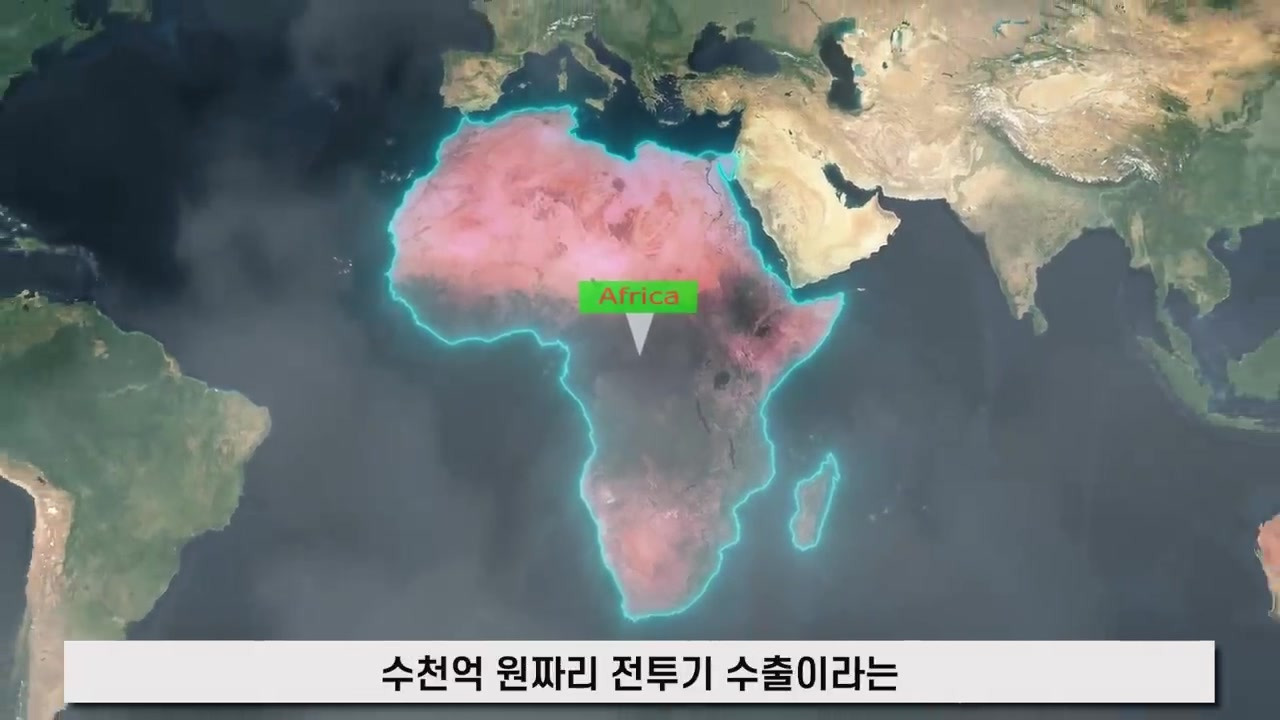
세네갈의 국화는 벼이다. 이는 세네갈이 쌀에 매우 진심인 나라임을 보여준다.
-
세네갈은 쌀을 매우 좋아하지만, 매년 소비하는 쌀 약 270만 톤의 절반을 수입해야 하는 상황이었다.
-
쌀 수입 의존도가 높았던 이유는 땅 대부분이 사막 기후여서 물이 많이 필요한 벼농사가 매우 어려웠기 때문이다.
-
이로 인해 매년 수천억 원에 달하는 국가 예산이 쌀 수입에 지출되고 있었다.
-
이러한 절박한 상황에서 세네갈 정부는 대한민국에 도움을 요청했다.
1.2. 한국의 독특한 원조 방식: 기술 전수
-
한국은 불과 60~70년 전 6.25 전쟁 이후 세계에서 가장 가난한 나라였으며, 미국 옥수수 가루와 군복으로 겨우 버텨왔다.
-
대한민국은 2009년에 원조를 받던 나라에서 원조를 주는 나라로 전 세계에서 유일하게 전환하는 데 성공했다.
-
한국의 원조 방식은 다른 선진국들과 근본적으로 달랐다.
-
유명 경제학자 단비사 모효는 선진국들의 원조가 수십 년간 천문학적 돈을 쏟아부어도 정치인 주머니로 들어가 국민들은 여전히 굶주리는 '죽은 원조'였다고 지적했다.
-
한국은 돈을 쥐여주는 대신, 한국이 직접 배고픔을 이겨냈던 기술을 가르쳐 주기로 결정했다.
-
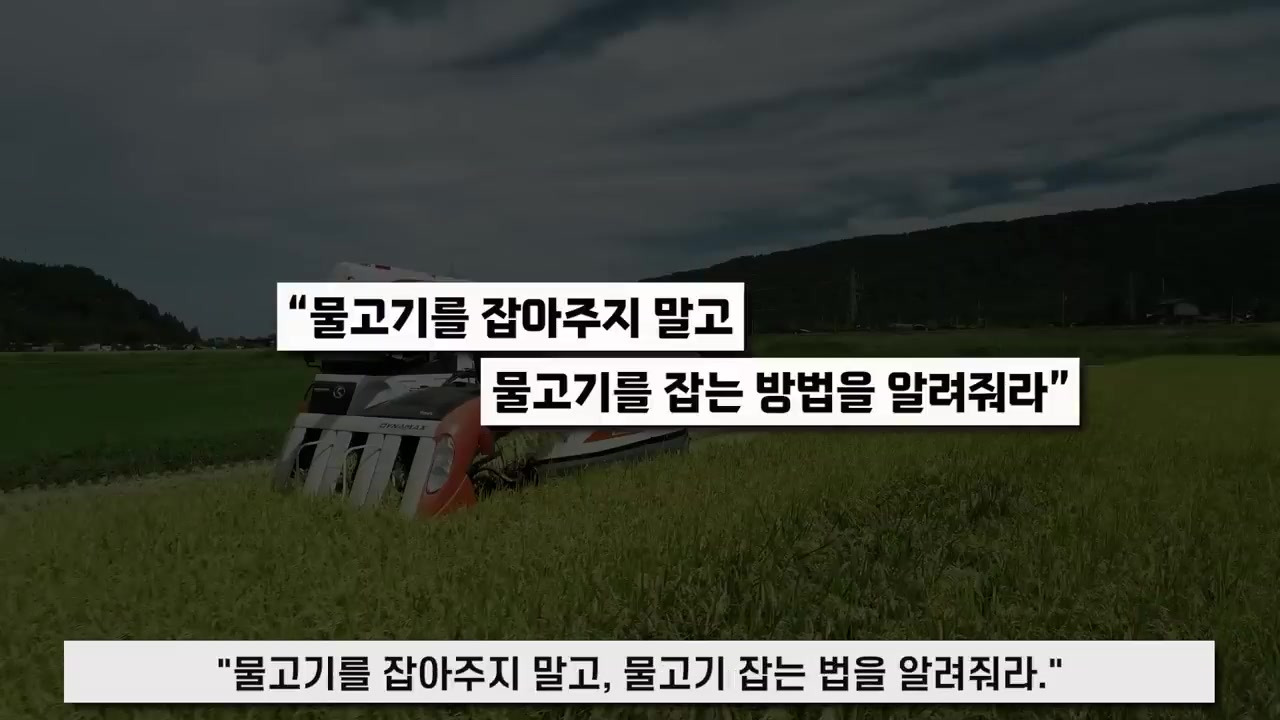
"물고기를 잡아주지 말고 물고기 잡는 법을 알려 줘라"가 바로 K원조의 철학이었다.
1.3. 세네갈의 '이스리 쌀' 혁명과 성공
-
농촌진흥청과 코이카 소속 한국 최고 전문가들이 세네갈로 파견되었다.
-
연구진들은 50년 전 한국을 굶주림에서 구한 기적의 벼 품종인 통일벼에 주목했다.
-
한국 연구진들은 통일벼를 세네갈의 뜨거운 사바나 기후와 토양에 맞게 개량하는 작업을 수백 번의 실험 끝에 진행했다.
-
2017년, 마침내 세네갈 맞춤형 품종인 '이스리(ISRI)' 개발에 성공하며 세네갈의 새로운 희망이 탄생했다.
-
2018년 세네갈 북부 마을에서 첫 시험 재배 결과, 이스리쌀 수확량이 1헥타르당 무려 7톤이 나왔다.
-
이는 기존 아프리카 토종 쌀 수확량(1.5톤)보다 다섯 배 가까이 많았으며, 다른 품종 대비 두 배 이상 높은 수치였다.
-
이스리쌀은 쌀알이 꽉 차고 찰지며 맛도 좋아 다른 쌀보다 14%나 비싸게 팔려나갔다.
-
농가 소득이 두 배, 세 배로 뛰면서 농부들의 얼굴에 웃음꽃이 피었고, 2024년 현재 한국 종자는 세네갈 전역으로 확산되며 기적을 만들고 있다.
1.4. 기니에서의 유사한 기적과 한국 쌀에 대한 신뢰
-
한국의 진심은 세네갈에만 머무르지 않고 기니에서도 동일한 기적을 만들고 있다.
-
기니는 비옥한 땅에도 불구하고 인구의 35%가 굶주리고 있었다.
-
세계식량계획(WFP)은 한국 통일벼 종자 10kg을 이용한 프로젝트를 시작했다.
-
불과 2년 만에 1타르당 1톤 나오던 땅에서 4~5톤이 수확되었으며, 1년에 두 번, 세 번 농사가 가능해져 수확량이 최대 10배까지 증가했다.
-
현지 주민들은 한국 쌀을 '생명의 쌀'이라고 부르며 기근에서 벗어났다고 말한다.
2. 밥심으로 맺어진 신뢰가 K방산 수출로 이어진 과정
2.1. 농업 신뢰가 국방 분야로의 확장

-
밥심과 진심으로 맺어진 신뢰는 세네갈 정부와 국민들의 마음을 완전히 사로잡았다.
-
세네갈 국민들은 "우리 국민을 배고픔에서 구해 준 나라의 기술력과 성실함이라면 우리 조국의 하늘도 맡길 수 있겠다"는 믿음을 갖게 되었다.
-
이 신뢰는 전혀 예상치 못했던 국방 분야로 이어졌다.
-
2016년, 세네갈은 한국항공우주산업(KAI)과 계약을 맺고 한국산 기본 훈련기 KT-1 웅비 4대를 구매했다.
-
이는 아프리카 국가가 한국 비행기를 구매한 첫 번째 사례였으며, 나라 살림이 넉넉지 않음에도 대당 100억 원이 넘는 훈련기를 구매한 것은 농업에서 쌓인 '찐 신뢰' 없이는 불가능한 결정이었다.
-
한국은 비행기만 판매한 것이 아니라, 현지 조종사 훈련, 정비, 부품 지원 등 모든 것을 완벽한 패키지로 책임졌다.
-
이는 물고기 잡는 법을 알려주었던 방식 그대로 비행기 모는 법과 고치는 법까지 모두 전수해 준 것이다.
2.2. FA-50 경공격기 도입 결정과 K방산의 확장
-
작년에 이 관계는 한 단계 더 업그레이드되어 세네갈 정부가 한국산 경공격기 FA-50 도입을 공식 추진하기로 결정했다.
-
FA-50은 초음속 기동까지 가능한 최첨단 전투기이다.
-
세네갈은 원래 체코 기종을 구매하려 했으나 계약이 무산되자마자 망설임 없이 한국 FA-50을 선택했다.
-
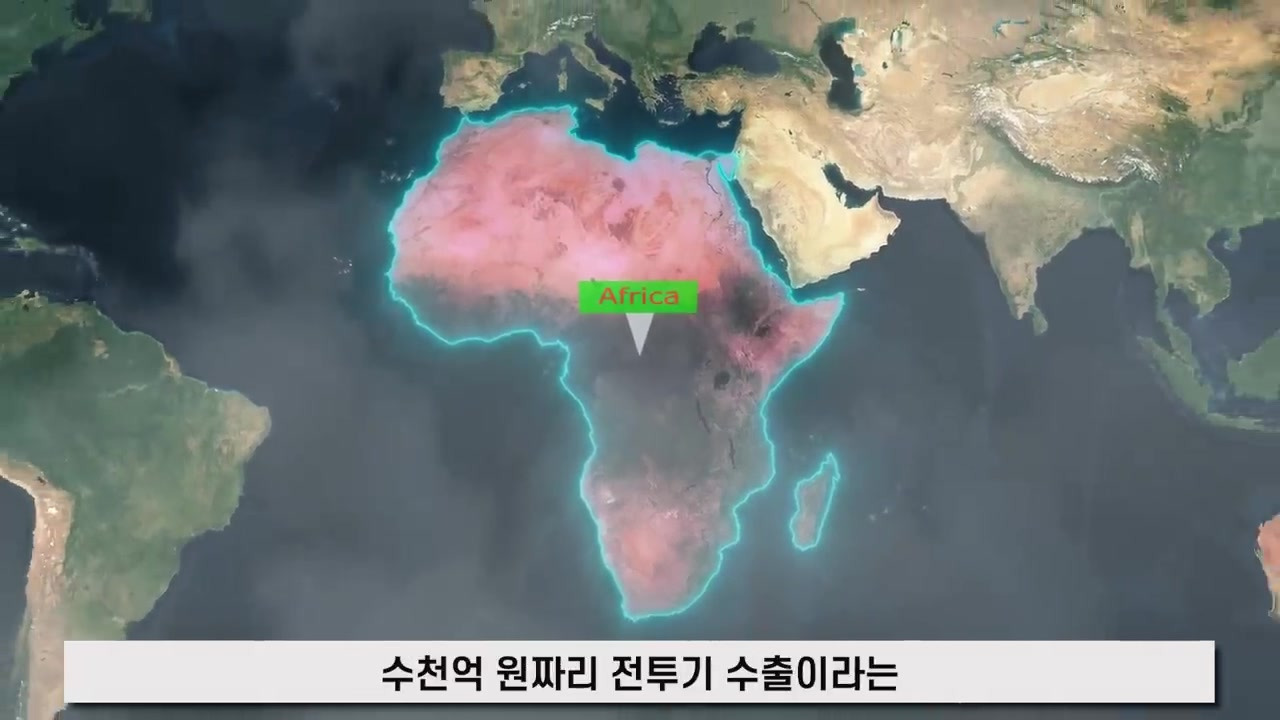
이 계약 규모는 무려 2천억 원에 달한다.
-
세네갈 공군 고위 관계자는 FA-50의 가성비가 최고이며 이미 전 세계에서 검증되었고, 무엇보다 한국과의 신뢰 관계를 가장 중요하게 생각했다고 밝혔다.
-
이 계약이 성사되면 한국의 최첨단 전투기가 최초로 아프리카 대륙의 하늘을 날게 되는 것이다.
-
이는 K방산이 아시아, 중동, 유럽을 넘어 아프리카까지 뻗어 나가는 것을 의미하며, 쌀 한 톨로 시작한 나비 효과가 수천억 원짜리 전투기 수출이라는 거대한 태풍으로 돌아온 사례이다.
3. 해외 반응: 아프리카의 '탈유럽'과 한국의 부상
3.1. 프랑스 언론의 충격과 한국의 부상 분석
-
K-신드롬에 대한 해외 반응, 특히 아프리카에서 영향력이 컸던 유럽 국가들의 반응이 충격적이다.
-
최근 프랑스 대표 방송인 프랑스 24는 특집 방송을 통해 "아프리카에서 탈유럽 현상이 빠른데 그 뒤에 한국이 있다"고 보도했다.
-
방송 내용은 과거 아프리카를 식민 지배했던 프랑스, 영국의 힘은 약화되고, 일대일로를 시도한 중국마저 밀려나는 빈자리를 한국이 무섭게 파고들고 있다는 것이다.
-
특히 지난 6월 아프리카 50개국 정상이 한국에 모여 한-아프리카 정상회의를 열고 한국과 동맹을 맺겠다고 한 것에 대해 프랑스 언론은 '경천동지할 일'이라고 표현했다.
-
프랑스 매체는 한국-아프리카 무역 규모가 일본을 거의 따라잡았으며 몇 년 뒤에는 중국까지 위협할 것이라고 분석했다.
-
더 나아가 프랑스 매체는 아프리카에 묻힌 코발트, 망간, 백금 등 배터리 및 반도체 핵심 광물 자원들이 한국 기업들에게 돌아갈 것이라는 점에 주목했다.
3.2. 아프리카가 한국을 새로운 파트너로 선택한 이유
-
프랑스 방송은 아프리카가 서구 열강과 중국을 제치고 한국을 선택한 이유를 정확히 짚어냈다.
-
첫째, 한국은 가장 완벽한 롤모델이다.
-
한국과 아프리카는 과거 식민 지배나 전쟁과 같은 아픈 역사를 공유하고 있다.
-
한국은 그 절망을 딛고 한강의 기적을 만들어냈으며, 이는 아프리카 국가들에게 "우리도 할 수 있다"는 희망의 증거 그 자체이다.
-
-
둘째, 진심이 통했다.
-
프랑스 매체는 아프리카가 밥 먹고 살게끔 농업 발전을 진심으로 도와준 나라는 한국밖에 없었다고 고백했다.
-
서구 열강들은 아프리카를 지배하고 뜯어먹을 대상으로만 보았으며, 쌀을 주더라도 '불쌍해서 준다'는 식이었다.
-
-
셋째, 압도적인 K-컬처의 힘이다.
-
현재 아프리카는 K팝, K드라마로 시작된 한류 열풍에 휩싸여 있다.
-
K-테크, K-푸드 등을 통해 한국이라는 나라 자체를 동경하고 믿게 되었다.
-
-
프랑스 매체는 한국의 진심 어린 협력이 아프리카에 큰 감동을 주었으며, 이것이 아프리카라는 거대 시장에서 한국의 독점적 지위를 보장하는 든든한 보증표가 될 것이라고 결론 내렸다.
4. K-외교의 본질: 공감과 나눔의 힘
-
50원짜리 동전에 새겨진 통일벼를 통해 한국의 역사를 되돌아본다.
-
한국은 지독한 배고픔 속에서 겨울에도 배부르게 먹기 위해 비닐하우스를 만들었던 '백색 혁명'을 경험했다.
-
또한 통일벼 개발로 배고픔을 끝낸 '녹색 혁명'을 이뤄냈다.
-
한국은 배고픔이 얼마나 고통스러운지 누구보다 잘 알기 때문에, 아프리카에 단순히 쌀을 보내는 대신 그들 스스로 쌀을 만들 희망을 심어 준 것이다.
-
결국 외교도 비즈니스도 진심이었으며, 우리가 겪었던 아픔에 공감하고 우리가 이뤄낸 성공 비결을 아낌없이 나눠주는 것이 K팝이나 반도체를 넘어서 대한민국을 글로벌 리더로 만드는 K외교의 진짜 힘이다.
https://www.youtube.com/watch?v=TgI6b_dGdlU
📌 What led Senegal to repay Korea's support for K-Agricultural technology with fighter jets?
The key is that Korea pioneered an agricultural revolution by developing a rice variety tailored to Senegal, "Isri," to address Senegal's chronic rice shortage. The deep trust built through this development led to exports of K-Defense fighter jets.
💡 What specific changes has Korea's agricultural technology assistance brought to Senegal?
Rice yield: More than fivefold increase (1.5 tons → 7 tons)
Farmer income: Two- to threefold increase, escaping poverty
Public trust: Building trust in Korea's technological prowess and sincerity
Table of Contents
1. The miraculous story of how Korea's K-Agricultural technology assistance led to K-Defense exports
1.1. Senegal's love of rice and the challenges of achieving food self-sufficiency
1.2. Korea's unique aid method: Technology transfer
1.3. Senegal's "Isri Rice Revolution and its success
1.4. A Similar Miracle in Guinea and Trust in Korean Rice
2. How Trust Built Through Rice Led to K-Defense Industry Exports
2.1. The Expansion of Trust in Agriculture to the Defense Sector
2.2. The Decision to Acquire the FA-50 Light Attack Aircraft and the Expansion of K-Defense Industry
3. Overseas Reactions: Africa's 'De-Europe' and the Rise of Korea
3.1. Analysis of the Shocking French Media and Korea's Rise
3.2. Why Africa Chose Korea as a New Partner
4. The Essence of K-Diplomacy: The Power of Empathy and Sharing
As the striking title, "Feeding Us a Rice Bowl, Rewarded with Fighter Jets," suggests, this content traces the miraculous story of how Korea's K-Agricultural Technology Assistance evolved into a powerful relationship of trust through K-Defense Industry exports. Rather than simply listing success stories, it specifically demonstrates how Korea's aid philosophy of "teaching how to fish instead of giving you a fish" led to Senegal's "Isri Rice" revolution and clearly explains how this sincerity led to the unexpected success of the export of FA-50 fighter jets to the defense sector. This video will provide practical insights into how true trust-based diplomacy and business work, and how sharing our shared struggles is a key driver of global leadership.
1. The Miraculous Story of How Korea's K-Agricultural Technology Support Led to K-Defense Exports
1.1. Senegal's Love of Rice and the Challenges of Food Self-Sufficiency
CaptureSource
Senegal's national flower is rice, demonstrating the country's deep commitment to rice.
Despite its love of rice, Senegal had to import half of its annual rice consumption of approximately 2.7 million tons.
This heavy reliance on rice imports stemmed from the desert climate of most of the country, making water-intensive rice cultivation extremely difficult.
This resulted in hundreds of billions of won being spent annually on rice imports.
In this desperate situation, the Senegalese government requested assistance from the Republic of Korea.
1.2. Korea's Unique Aid Method: Technology Transfer
Just 60-70 years ago, after the Korean War, Korea was one of the poorest countries in the world, barely surviving on American cornmeal and military uniforms.
In 2009, South Korea became the only country in the world to successfully transition from an aid recipient to an aid donor.
Korea's aid method was fundamentally different from that of other developed countries.
Famous economist Danbisa Mohyo pointed out that aid from developed countries was "dead aid," meaning that even after pouring astronomical amounts of money over decades, it ended up in politicians' pockets, leaving the people starving.
Instead of handing out money, Korea decided to teach the technologies it had used to overcome hunger.
"Don't give them fish, teach them how to fish." This was the philosophy behind K-Aid.
1.3. Senegal's "Isri Rice Revolution and Success
CaptureSource
Top Korean experts from the Rural Development Administration and KOICA were dispatched to Senegal.
Researchers focused on Tongil rice, the miraculous rice variety that saved Korea from starvation 50 years ago.
After hundreds of experiments, Korean researchers adapted Tongil rice to Senegal's hot savanna climate and soil.
In 2017, they finally succeeded in developing a Senegal-specific variety, ISRI, giving new hope to Senegal.
In 2018, the first test cultivation results in a northern Senegalese village yielded a whopping 7 tons of Isri rice per hectare.
This yield was nearly five times higher than the yield of existing African native rice (1.5 tons) and more than double that of other varieties.
Isri rice, with its full, sticky grains and delicious flavor, sold for 14% more than other rice varieties.
Farmers' incomes doubled and tripled, bringing smiles to their faces. As of 2024, Korean seeds are spreading throughout Senegal, creating a miracle.
1.4. Similar Miracles in Guinea and Trust in Korean Rice
Korea's sincerity is not limited to Senegal; it's creating a similar miracle in Guinea.
Despite Guinea's fertile soil, 35% of the population was starving.
The World Food Programme (WFP) launched a project using 10 kg of Korean Tongil rice seeds.
In just two years, land that previously yielded one ton per hectare yielded four to five tons, enabling two or three crops per year, increasing yields by up to tenfold.
Local residents call Korean rice the "rice of life" and say it helped them overcome famine.
2. How Trust Built Through Rice Leads to K-Defense Exports
2.1. Trust in Agriculture Extends to National Defense
captureSource
The trust built on the sincerity of rice and the sincerity of its people completely captured the hearts of the Senegalese government and people.
The Senegalese people came to believe, "If the country that saved our people from hunger possesses the technology and sincerity to support them, we can also entrust the skies of our homeland to it."
This trust extended to the unexpected defense sector.
In 2016, Senegal signed a contract with Korea Aerospace Industries (KAI) to purchase four KT-1 Woongbi basic trainer aircraft.
This was the first time an African country had purchased a Korean aircraft. Despite the country's financial constraints, the decision to purchase the trainer aircraft, costing over 10 billion won per aircraft, was impossible without the deep trust built in the agricultural sector.
Korea not only sold the aircraft, but also took full responsibility for the entire package, including local pilot training, maintenance, and parts support.
This was akin to teaching people how to fly and repair aircraft, just as they taught them how to fish.
2.2. Decision to Acquire FA-50 Light Attack Aircraft and Expansion of K-Defense Industries
Last year, this relationship was further upgraded, with the Senegalese government officially deciding to pursue the acquisition of the Korean-made FA-50 light attack aircraft.
The FA-50 is a cutting-edge fighter capable of supersonic maneuvering.
Senegal originally planned to purchase the Czech aircraft, but when the deal fell through, it quickly chose the Korean FA-50.
The contract is worth a staggering 200 billion won.
A senior Senegalese Air Force official stated that the FA-50 offers exceptional cost-effectiveness and has already been proven globally, and that the trust relationship with Korea was paramount.
If this contract is concluded, Korea's most advanced fighter jet will fly over the African continent for the first time.
This signifies the expansion of K-Defense Industries beyond Asia, the Middle East, and Europe, and into Africa. This is a case of what began as a simple grain of rice, but then morphed into a massive storm of fighter jet exports worth hundreds of billions of won.
3. Overseas Reaction: Africa's 'De-Europe' and the Rise of Korea
3.1. Analysis of the Shocking French Media and Korea's Rise
captureSource
The overseas response to the K-syndrome, particularly from European countries that have had significant influence in Africa, has been shocking.
Recently, France 24, a leading French broadcaster, reported in a special program, "The de-European phenomenon is rapidly occurring in Africa, and Korea is behind it."
The broadcast emphasized that the power of France and the UK, which once colonized Africa, is weakening, and that even China, which attempted the Belt and Road Initiative, is being pushed aside, leaving a void left by Korea, which is now fiercely squeezing in.
In particular, the French media described the June meeting of 50 African leaders in Korea for the Korea-Africa Summit and their announcement of an alliance with Korea as "earth-shaking."
The French media analyzed that Korea-Africa trade volume has nearly caught up with Japan's and will threaten China in a few years.
Furthermore, French media noted that Africa's core mineral resources for batteries and semiconductors, such as cobalt, manganese, and platinum, would be transferred to Korean companies.
3.2. Why Africa Chose Korea as a New Partner
French broadcasting accurately identified the reasons why Africa chose Korea over Western powers and China.
First, Korea is the perfect role model.
Korea and Africa share a painful history of colonial rule and war.
Korea overcame that despair to create the Miracle on the Han River, a testament to African nations' hope that "we can do it too."
Second, sincerity resonated.
French media confessed that Korea was the only country that truly helped Africa develop agriculture, enabling them to eat and live.
Western powers viewed Africa solely as a target for domination and exploitation, and even when they provided rice, they did so out of pity.
Third, the overwhelming power of K-culture.
Africa is currently swept by the Korean Wave, which began with K-pop and K-dramas.
Through K-tech and K-food, people have come to admire and believe in Korea itself.
French media outlets concluded that Korea's sincere cooperation has deeply impressed Africa and will serve as a strong guarantee for Korea's exclusive position in the vast African market.
4. The Essence of K-Diplomacy: The Power of Empathy and Sharing
We look back on Korean history through the Tongil Rice plant engraved on the 50 won coin.
In Korea, despite severe hunger, to ensure a full stomach even in winter, We experienced the "White Revolution," which saw the creation of greenhouses.
We also achieved the "Green Revolution," which ended hunger through the development of Tongil Rice.
Korea, more than anyone else, understands the pain of hunger. Therefore, rather than simply sending rice to Africa, we planted the hope that they could grow their own rice.
Ultimately, both diplomacy and business were genuine. Empathizing with the pain we've endured and generously sharing the secrets to our success are the true power of K-diplomacy, transcending K-pop and semiconductors and transforming South Korea into a global leader.
'놀면서 일하기 > intotheKOREA' 카테고리의 다른 글
| 대한민국 국가상징. (0) | 2026.01.02 |
|---|---|
| 중국은 우리가 만든 한자라는 원시언어를 가지고 가지치기만은 하다보니...현세에는 적합하지 않은 문자구조를 채택하게 된 형국이 아닐까??? (0) | 2025.12.18 |
| 큰것이 2개 연속된 것이 대한.....즉 가장 큰, 중앙에 큰.... (0) | 2025.10.28 |
| 컬러로 보는 한국 전쟁 당시 생생한 모습|한국전쟁 75주년 (0) | 2025.10.09 |
| 한고려국??? 음... 역사는 공부하셨는데... 브랜드네이밍은 조금 분야가 아니신듯...^^;;;;; (0) | 2025.10.01 |


댓글